

Most automation advice is written for companies with an operations team. For a business where the owner is also the estimator and occasionally the driver, the useful question is much narrower: what is the one repetitive thing currently costing me the most work.
Answer that honestly and you will usually find it is not a complicated problem. It is the twenty minutes after an enquiry arrives.
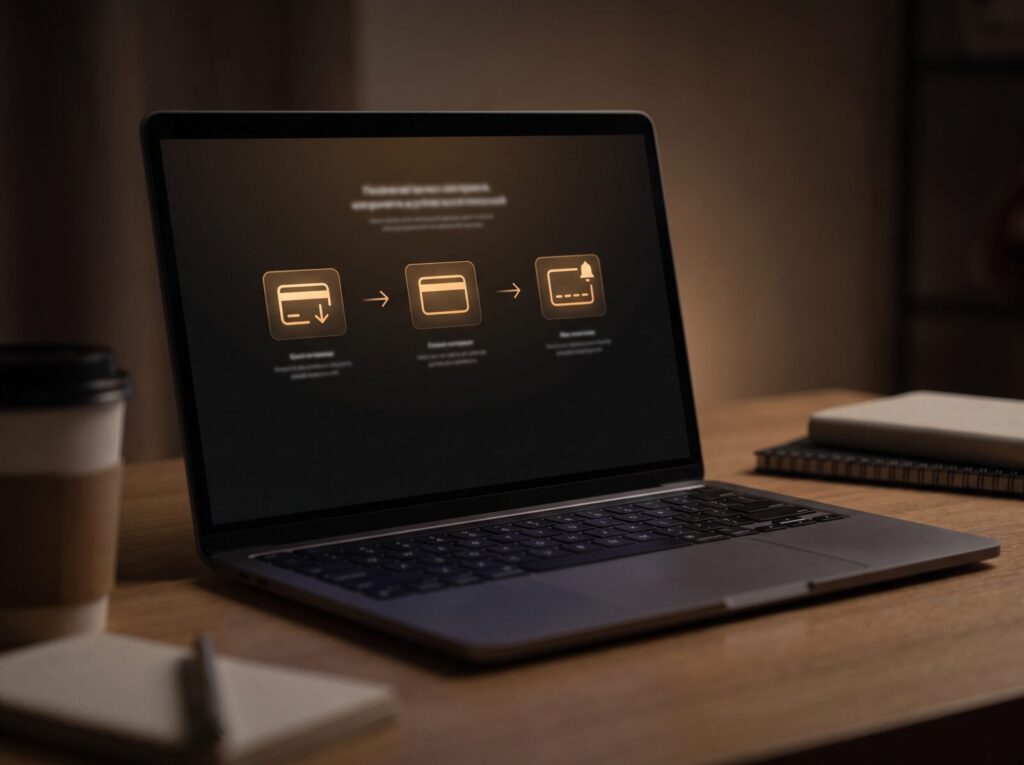
Start with acknowledgement, not follow-up
When someone submits a form or leaves a voicemail, they do not know whether it arrived. In that uncertainty they usually contact someone else, which is entirely reasonable behaviour.
An immediate automatic reply, sent within seconds, that confirms receipt and says when a human will call, changes that. It costs almost nothing to set up and it is the single highest-return automation most local businesses can make. It does not need to be clever. It needs to arrive.
Then make sure the right person knows
An enquiry sitting in a shared inbox nobody is watching is functionally lost. Route it: a text to whoever is on call, a notification in whatever your team actually checks.
The test is simple. If an enquiry arrives at 2pm on a busy Thursday, how long until a human sees it? If the honest answer is hours, that is your problem, and it is not a marketing problem.
Third: follow up on quotes automatically
Most quotes are not rejected. They go quiet. The customer had a question, or was waiting on a partner, or simply forgot, and nobody followed up.
A sequence at day three, day seven and day fourteen recovers a meaningful proportion of these, and it works precisely because it does not rely on anyone remembering during a busy week. Keep the messages short and useful rather than pushy: checking you got it, happy to answer anything, no rush.
Fourth: appointment reminders
If you book appointments, reminders cut no-shows immediately. A confirmation when booked and a reminder the day before is usually enough. This is the least glamorous automation on the list and one of the most reliably profitable.
Fifth: review requests
Triggered by job completion, as covered in the review article. Worth doing once the first four are running, not before.
What not to do first
Do not begin by replacing your CRM, and do not attempt to automate everything simultaneously. Large automation projects fail for the same reason large software projects fail: too many assumptions made at once, and no way to tell which one was wrong.
Also, do not automate a process that is broken. Automating a bad follow-up message simply sends a bad message faster and more often. Get it right manually first, then remove the manual part.
Where the line is
Automation should start conversations. It should never be the one having them. The moment a customer replies with something specific, a person takes over. Businesses that blur this line save a little time and lose trust that is very expensive to rebuild.
How to know it worked
Before you change anything, write down two numbers: how long it currently takes to respond to an enquiry, and what proportion of quotes get a second contact. Both are usually worse than owners expect.
Measure them again after a month. If they have not moved, the automation is not doing anything and you should stop paying for it. If they have, you have a reason to build the next piece.